
Many people start the year with intentions to adopt and embrace healthier lifestyles and prioritize their mental and physical health. If you’re on a mission to take control of your health, simple steps can make a big difference.
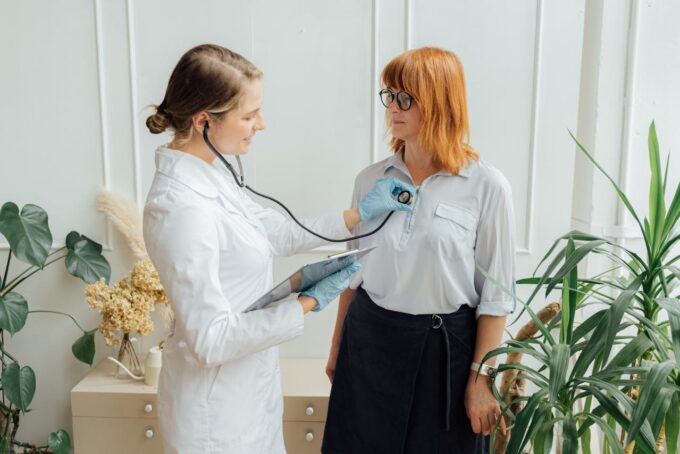
Photo by Antoni Shkraba Studio
Schedule routine tests and checks
Keeping up to date with and taking advantage of routine tests, checks, and examinations is one of the easiest and most effective ways to protect and improve your health. If you haven’t been to the dentist for years, you have no idea what your blood pressure reading is, or you’ve ignored letters about cancer screening schemes, now is the time to make some calls or book appointments online. It’s crucial to keep up with basic health tests and respond to screening requests to reduce risks and ensure early detection.
Seek medical advice if you’re worried
There are two types of people in this world. One will call the doctor immediately if they have any concerns about their health. The other will plod on, ignoring symptoms and avoiding medical practices and hospitals. If you’re in the second camp, changing your habits is hugely beneficial. If you notice new symptoms, you’ve got symptoms that have gotten worse, or you’re concerned about your mental or physical health, it’s important to seek medical advice.
If you have symptoms that could be linked to health issues, your doctor may recommend further investigations like blood and urine tests, biopsies, scans such as an MRI or ultrasound, and procedures like a colonoscopy. This investigation allows experts to see inside the colon and rectum to check for growths and abnormal changes. Having tests early can help speed up diagnosis and increase the chances of successful treatment.
Introduce positive lifestyle changes
Adjusting your lifestyle can make a dramatic difference to your body and mind. Small changes like doing more exercise, following a balanced, nutritional diet, making sure you get enough sleep, and taking steps to prevent stress, boost health and happiness. It’s also beneficial to manage your time and make space in your schedule for activities that enhance your well-being and physical health. Good examples include creative hobbies, spending time in nature, playing sports and doing exercise, and socializing with friends and family members.
If you don’t know where to start with changing your lifestyle, it’s a good idea to speak to your doctor and get advice and tips from reputable websites. Look for blog posts, trustworthy social media accounts, and helpful online resources. You can also use apps or wearable devices to track your sleep, monitor your heart rate, calculate your daily calorie intake and burn, and check your activity levels. Food diary apps are brilliant for accessing nutritional information and learning more about your diet. Once you’ve entered data about the foods you’ve eaten, you can see how you’re doing in terms of hitting targets. You can then tackle vitamin and mineral deficiencies, modify your diet to increase or decrease your intake of fats, proteins, fiber, and carbohydrates, and stabilize calorie consumption.

Photo by Jane T D.
Many people have good intentions when it comes to their health, but life can get in the way. If you’re struggling to stick to New Year’s resolutions, or you wish you were healthier, simple steps can have a big impact. Key examples include keeping up to date with routine tests, checks, and examinations, seeking advice if you notice new symptoms or you’re worried about your health, and making positive lifestyle changes.